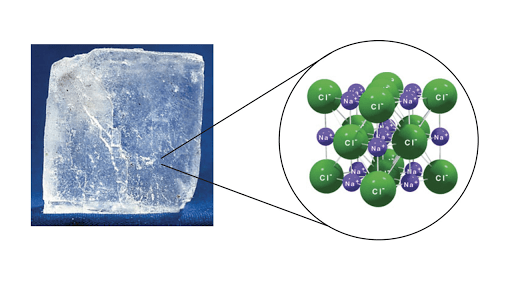
Which Statement Best Describes How An Ionic Bond Forms. A) in ionic bonds, electrons are “shared”, while in covalent bonds, electrons are “torn between. The loss of electron will result in the formation of cation and gaining of electron results.
Molecules And Compounds Overview | Atomic Structure (Article) | Khan Academy from www.khanacademy.org
Which pair of elements will form an ionic bond? What describes an ionic compound? B) in ionic bonds and covalent bonds,.
2.Which Statement Best Describes How An Ionic Bond Forms?
1.which statement best describes how an ionic bond forms? A force that holds two oppositely charged ions together. What describes an ionic compound?
An Ionic Bond Involves Two Nonmetals That Share Electrons.
The transfer of electrons results in attractive forces between molecules. 9 promises from a badass essay writing service; In chemistry, the oxidation state, or oxidation number, is the hypothetical charge of an atom if all of its bonds to different atoms.
The Correct Option Is A.
Question 1 1 pts which statement best describes ionic and covalent bonds? Which statement best describes how an ionic bond forms by da_mckenna375 08 may, 2022 post a comment. The correct option is a.
Which Pair Of Elements Will Form An Ionic Bond?
Ionic bonds are formed as a result of complete transfer of electrovalence electrons. The transfer of electrons forms strong bonds between ions. An electromagnetic attraction that occurs between two metals a force that holds two oppositely charged ions together which statement best describes how an ionic bond forms?
The Atom That Donate The Electron Become A Positively Charged Ion While The Atom That Received The.
Two atoms share valence electrons b. The statement best describes ionic and covalent bonds are —— a) in ionic bonds the electrons are “shared” while in the covalent bond the elections are “torn” between two. A) in ionic bonds, electrons are “shared”, while in covalent bonds, electrons are “torn between.